Playing Alone Together: The Surprising Social Life Hidden Inside Single-Player Games

Let me tell you about a Tuesday night I spent completely alone — and somehow felt more connected to other people than I had all week.
I was deep in a Hollow Knight run, stuck on a boss I had no business fighting yet, and I did what any reasonable person does at 11 PM: I opened Reddit. Within minutes I was in a thread with 200 comments, reading theories about the Pale King's motivations, laughing at someone's beautifully drawn fanart, and watching a video of a speedrunner do in forty seconds what had taken me forty minutes.
I closed the app an hour later feeling weirdly energized. Connected. Like I'd been somewhere.
That experience — and the fact that it's shared by millions of single-player gamers across the country — points to something genuinely interesting about how we're redefining what it means to play together.
The Myth of the Solitary Gamer
For decades, the image of a solo gamer was a pretty lonely one. Headphones on, lights off, door closed. Multiplayer was where the social stuff happened — the voice chat, the teamwork, the trash talk. Single-player was just you and a story, full stop.
That model doesn't hold up anymore, and indie gaming is a big reason why.
When Hollow Knight launched in 2017, it didn't come with multiplayer modes or leaderboards. It was a solo experience, through and through. And yet the community that formed around it — on Reddit, Discord, YouTube, and Twitch — became one of the most passionate and collaborative fanbases in modern gaming. People weren't just playing the game. They were building something around it together.
The same story plays out with Celeste, Undertale, Disco Elysium, Hades — virtually every breakout indie hit of the past decade. These games have no shared servers, no co-op modes, no way to see another player's character in your world. And yet their communities are enormous, emotionally invested, and deeply social.
Asynchronous Connection Is Still Connection
Here's the thing that often gets overlooked in conversations about online gaming: connection doesn't require simultaneity. You don't have to be in the same server at the same time to feel genuinely linked to another person through a shared experience.
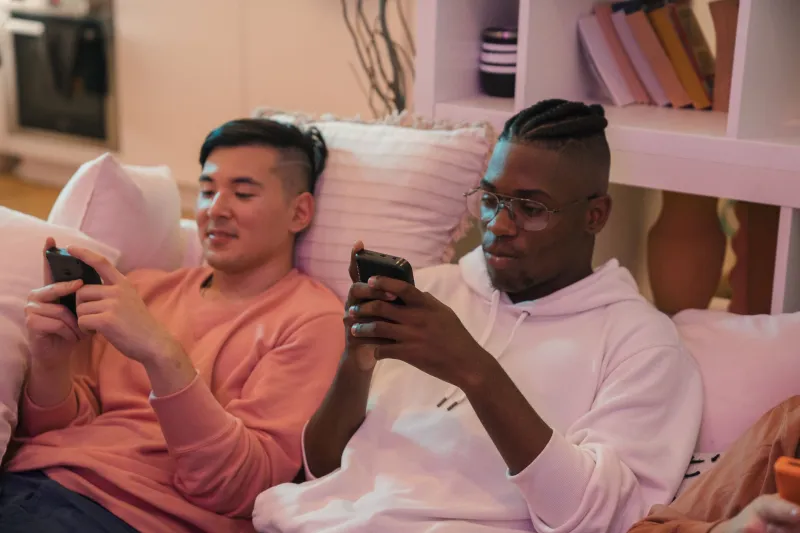
When you post a screenshot of a moment that wrecked you emotionally in Celeste — that scene, you know the one — and fifty strangers respond with "oh no not this part" and heart emojis and their own stories about crying at a video game, that's real. That exchange happened. Those feelings were shared. The fact that it happened asynchronously, across different time zones, between people who will never meet, doesn't make it less meaningful.
If anything, the asynchronous nature of these communities makes them more accessible for a lot of players. Social anxiety, odd hours, introverted tendencies — none of that shuts you out. You can participate on your schedule, at your pace, without the pressure of real-time interaction.
The Shared Text Creates the Community
What makes single-player game communities so cohesive is the fact that everyone is working from the same source material. The story beats, the lore, the map, the mechanics — they're identical for every player. That shared reference point creates an instant common language.
In a multiplayer game, your experience is fundamentally different from mine based on who we played with, what strategies we used, what happened in our particular match. In a solo game, we both made it to the same room, heard the same dialogue, felt the same gut punch when the twist landed. That shared experience is the foundation of genuine community.
It's similar to why book clubs work, or why people who've seen the same film feel an immediate kinship. The text binds you. In gaming, that text is just interactive — and arguably more emotionally immersive.
Discord Servers as Living Companion Guides
Some of the richest single-player game communities exist on Discord, where dedicated servers function as something between a fan club, a support group, and a collaborative research project.
Take any mid-tier indie game with a dedicated Discord — something like Spiritfarer or Outer Wilds — and you'll find channels sorted by progress level (to avoid spoilers), art galleries of fan creations, theory-crafting threads that would put academic journals to shame, and pinned messages from developers answering questions directly.
That last part matters. Indie games often come from small, accessible teams who are genuinely plugged into their communities. The line between player and developer is thinner than it's ever been, and that closeness creates a sense of investment that's hard to manufacture.
You're not just playing a game. You're part of an ongoing conversation about it.
Loneliness Isn't the Same as Being Alone
There's a difference between solitude and loneliness, and single-player gaming is one of the places that distinction becomes most clear.
Loneliness is the ache of feeling unseen and disconnected. Solitude is the choice to be with yourself — and sometimes, to be with yourself and a rich world full of characters and stories that feel genuinely alive.
The communities that form around solo games take that second kind of experience and layer real human connection on top of it. You can play in quiet, in your own time, at your own pace — and still wake up the next day with notifications from people who found the same secret room you did at midnight and lost their minds over it.
Going It Alone Has Never Been Less Lonely
If you've been sitting on the fence about diving into a solo indie title because it feels like a solitary activity — like something you'd do instead of socializing — I'd gently push back on that framing.
The community waiting on the other side of almost any beloved indie game is one of the warmest, most welcoming spaces on the internet. These are people who care deeply about the same things you care about. They want to talk about it. They want to hear what you thought.
So go play alone. And then come find us in the subreddit. We've been waiting to hear what you thought about that ending.