Same Time Tomorrow: Why Your Nightly Gaming Ritual Might Be the Self-Care You've Been Sleeping On
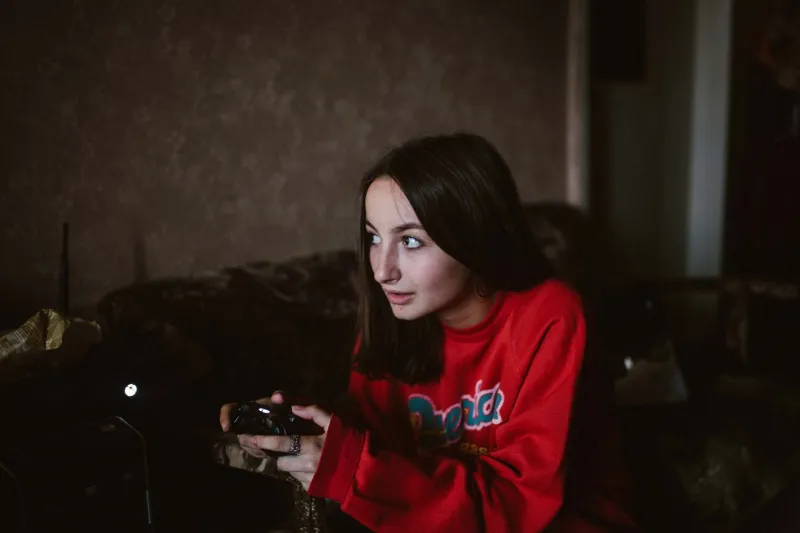
There's a particular kind of comfort in the predictable. The same coffee order every morning. The podcast you put on during your commute. The route you walk the dog even when you're running late. Routine, it turns out, isn't boring — it's stabilizing. And for a growing number of people across the US, that same logic is quietly applying to gaming.
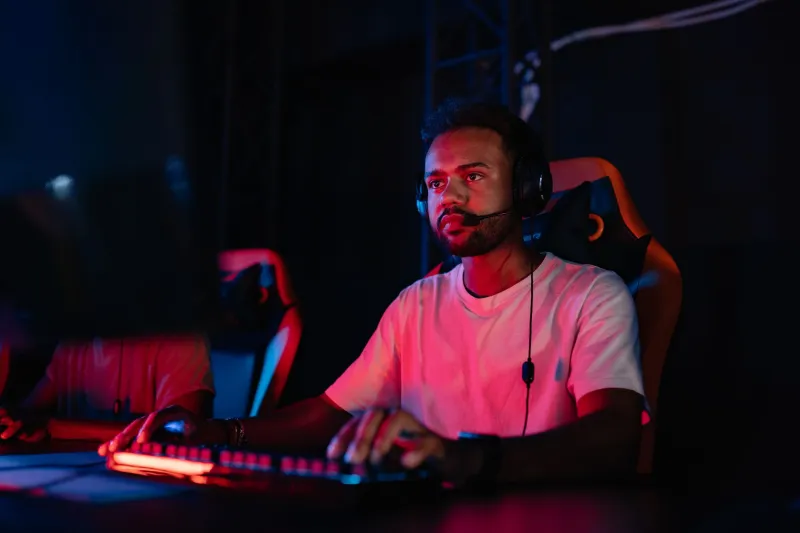
Not marathon sessions. Not competitive ranked matches. Not chasing a platinum trophy at 2 a.m. Just a consistent, low-pressure block of time with a game they love, returning to it the way you'd return to a favorite chair at the end of a long day.
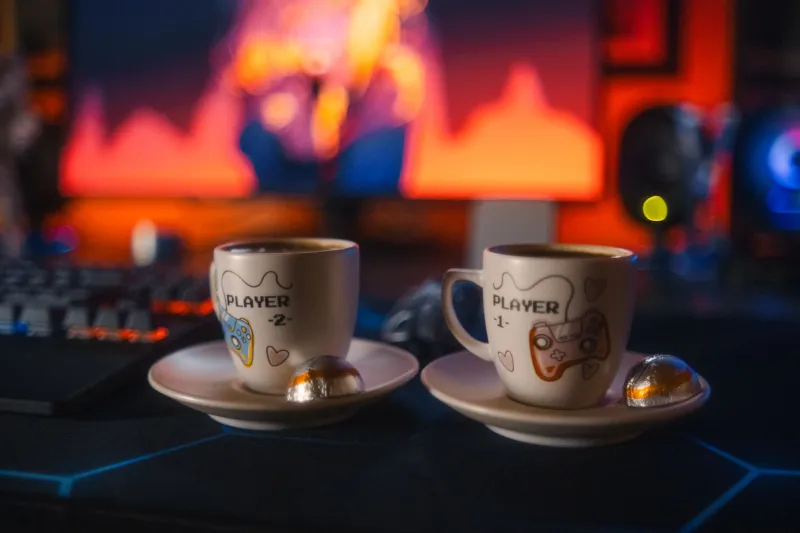
Call it the milk run mentality — the idea that regular, unhurried, predictable engagement with something you enjoy can function as genuine mental maintenance. Turns out, game developers have been quietly building for exactly this kind of player all along.
Your Brain on Routine (Yes, Even a Gaming One)
Habit researchers have known for decades that repetition is comforting at a neurological level. When the brain knows what's coming, it can relax into the pattern rather than spending energy anticipating the unknown. That's why bedtime routines help kids sleep and why adults often find themselves calmer after a morning walk they've taken a hundred times before.
Gaming slots into this framework surprisingly well — at least, the right kind of gaming does. Dr. Rachel Kowert, a research psychologist who has studied video games and wellbeing extensively, has noted that games offering predictable reward loops and familiar environments can provide a sense of control and agency that's especially valuable during stressful periods. When the rest of life feels chaotic, knowing that your little virtual farm will still be there, your crops ready to harvest, your villagers ready to chat, is genuinely anchoring.
This isn't about escapism in the avoidance sense. It's about returning to something manageable. Something you're good at. Something that asks nothing more of you than you're ready to give on any given night.
Players Who Built the Ritual
Talk to people who've developed consistent gaming routines and you start to hear the same language — words like grounding, reset, decompress. It doesn't sound like how people usually talk about games. It sounds like how people talk about therapy homework.
Marcus, a 34-year-old high school teacher from Ohio, started playing Stardew Valley every night after dinner during a particularly rough school year. "I'd grade papers, eat something, and then just... play for an hour," he says. "It wasn't about finishing the game. It was about having one hour that was completely mine and completely calm."
He's not alone. Across Reddit threads, Discord servers, and casual conversations, a consistent theme emerges: people aren't just playing games, they're scheduling them. Deliberately. Protectively. The gaming session becomes a signal to the nervous system — okay, we're done with the hard stuff for today.
For Priya, a 29-year-old in Austin juggling freelance work and a side hustle, it was Animal Crossing: New Horizons that became her anchor during the pandemic years. "I'd play every morning before I opened my laptop," she explains. "Fifteen, twenty minutes. Just checking in on my island. It sounds silly but it made me feel like I had control over something before the day got complicated."
The ritual mattered as much as the game itself. The repetition was the point.
What Indie Games Are Getting Right
Here's where it gets interesting from a design perspective: indie developers, often working with smaller budgets and more personal creative visions, have been quietly engineering games that reward this kind of steady, non-intensive engagement. Not by accident — but because many of these developers are players themselves who wanted games that fit into a real human life.
Think about the mechanics that make a game feel good to return to daily:
Natural stopping points. Games like Spiritfarer and A Short Hike don't punish you for putting them down. There's no penalty for logging off, no raid that falls apart because you needed to go to bed. The game waits patiently, exactly where you left it.
Low-stakes progression. In Cozy Grove, your island changes gradually, day by day, in small and manageable ways. There's no pressure to grind, no content you'll miss if you only play for twenty minutes. The game is designed to be visited, not consumed.
Familiar feedback loops. The satisfying thwack of a harvest in Stardew Valley, the gentle chime of a completed task in Unpacking, the soft resolution of a puzzle in Alba: A Wildlife Adventure — these micro-moments of completion are tuned to feel good without requiring hours of buildup. They're accessible rewards, available every single session.
Community without competition. Many of the indie games that players return to most consistently have robust community features — shared fan art, tips, seasonal events — without leaderboards or ranking systems that create anxiety. The community amplifies the joy without introducing the stress.
This design philosophy isn't accidental. Developers like Eric Barone (Stardew Valley) and the team at Finji (Chicory: A Colorful Tale) have spoken openly about wanting their games to feel like a refuge rather than an obligation. That intention shows up in the mechanics.
Building Your Own Gaming Ritual
If you've never thought about your gaming as something you could intentionally structure, here are a few things worth considering.
Pick a time, not just a game. The ritual is as important as the content. Whether it's after dinner, before bed, or during your lunch break, having a consistent window trains your brain to shift gears at that moment.
Choose a game that meets you where you are. If you're exhausted, you probably don't want a game with a steep learning curve or high-pressure mechanics. Lean toward games with gentle onboarding and forgiving pacing. If you're not sure where to start, the cozy and casual indie space is full of options designed exactly for this.
Let go of the goal. You don't have to finish anything. You don't have to achieve anything. The session itself is the point. Progress is a bonus.
Protect the time. This is the part people skip. If the gaming window is the first thing to go when life gets busy, it loses its power as a ritual. Treat it with the same mild seriousness you'd give a walk or a journaling habit.
The Bigger Picture
There's still a version of the conversation about gaming and mental health that centers on risk — addiction, avoidance, overstimulation. And those concerns are real and worth taking seriously. But they're not the whole story, and they're increasingly not even the dominant story.
The dominant story, for a lot of everyday players in 2024, is quieter and more mundane. It's a person who had a hard day at work, who sat down with a familiar game at a familiar time, who felt their shoulders drop a little, who went to bed okay.
That's not nothing. That might actually be everything.
Same time tomorrow?