Side Hustle, Indie Soul: How to Turn Your Casual Gaming Habit Into Actual Income
Most people assume that making money from gaming means one of two things: going viral on Twitch or signing with an esports organization. Neither of those things is happening for the vast majority of players — and honestly, neither of them needs to.
There's a quieter, more sustainable version of this story playing out across the country, and it involves people who love Stardew Valley and Celeste and Hades more than they love chasing follower counts. Casual and indie gamers are finding creative, realistic ways to turn their passion into supplemental income — and the strategies they're using are worth paying attention to.
This isn't a get-rich-quick story. It's something better: a realistic look at what's actually possible when you approach your hobby with a little intention.
First, Reframe What "Success" Looks Like
Before getting into tactics, it's worth addressing the mental model most people bring to this conversation. When we think about gaming income, we default to the outliers — the streamers pulling six figures, the YouTubers with millions of subscribers. That's not a useful benchmark, and chasing it will burn you out fast.
For most people, the realistic goal is something more like $200–$800 a month from a combination of sources. That's a car payment. A chunk of rent. A few months of groceries. It's not a living, but it's not nothing either — especially if you're already spending time playing games anyway.
The indie gaming space is particularly well-suited to sustainable side income because the communities are smaller and more engaged. A niche audience that genuinely cares about what you're doing is worth a lot more than a massive passive audience that doesn't.
Streaming Niche Titles: Small Audience, Real Loyalty
Here's a counterintuitive truth about Twitch and YouTube: smaller, more dedicated audiences often convert better than large passive ones. A stream with 40 consistent viewers who are all there specifically for your cozy gaming content can generate meaningful income through subscriptions and bits — sometimes more reliably than a channel with 400 fluctuating viewers who found you through algorithm luck.
The strategy for indie and casual game streamers isn't to compete with the big channels on popular titles. It's to own a corner of the map nobody else is covering.
If you're the go-to streamer for a specific genre — say, narrative indie games, or farming sims, or hidden-object games — you become a destination rather than a commodity. Players who love that genre will find you, stay, and support you because you're speaking directly to them.
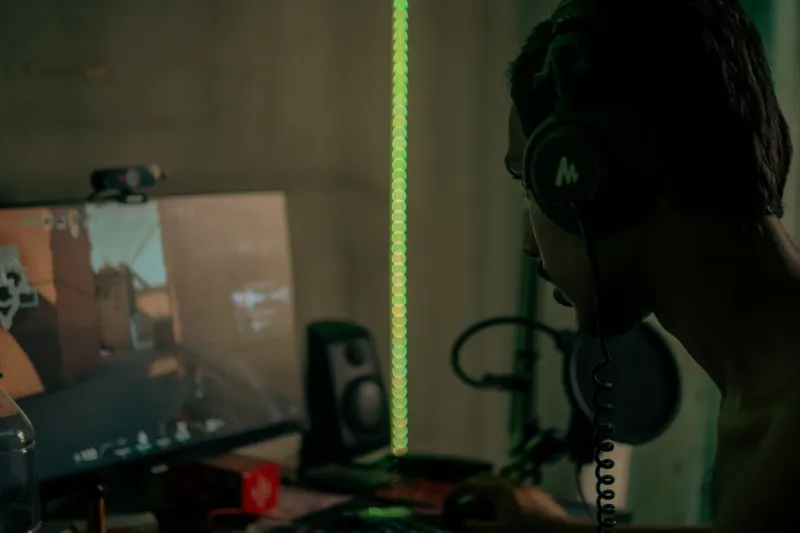
The startup cost is lower than most people expect. A decent USB microphone ($50–$100), a free OBS setup, and a consistent schedule is genuinely enough to start. Don't let perfect be the enemy of running.
Content Creation Beyond the Stream
Streaming is just one lane. For people who find live performance stressful or who have unpredictable schedules, written content and short-form video are often a better fit.
YouTube channels focused on indie game reviews, lore breakdowns, or "what to play next" roundups can grow steadily through search traffic rather than algorithmic virality. A well-optimized video titled "Best Cozy Games for Anxiety" will keep finding new viewers for years after it's posted.
Written guides and reviews, posted on platforms like Medium or a personal blog, can generate ad revenue and affiliate income. Many indie game storefronts — including the Humble Bundle affiliate program and various developer partnerships — offer commissions when your recommendations lead to purchases.
The key is consistency over volume. One solid piece of content per week, for a year, builds something real. Ten pieces in a week followed by a two-month gap builds nothing.
Playtesting: The Underrated Income Stream
This one surprises people: indie developers need playtesters, and they often pay for them.
Platforms like PlaytestCloud, UserTesting, and various indie developer Discord communities regularly post paid playtesting opportunities. These aren't glamorous gigs — you're essentially playing an unfinished game and recording your reactions and feedback. But for someone who genuinely loves indie gaming, it's about as close to getting paid to do what you already do as you can get.
Pay varies widely, from $10–$20 per session on consumer platforms to higher rates for more specialized feedback on niche titles. It won't replace a salary, but it's legitimate income that requires nothing more than being an honest, articulate player.
Building relationships in indie dev communities — particularly on Discord and itch.io — can also lead to informal playtesting arrangements that aren't posted publicly. Being a visible, thoughtful community member pays dividends in ways that are hard to quantify but very real.
Game-Adjacent Businesses: The Long Game
Some indie gamers have found their income not from gaming content itself, but from businesses that live alongside gaming culture.
Fan art and merchandise through platforms like Redbubble or Etsy. Custom gaming journals and planners sold to the cozy game community. Coaching services for players who want to get better at specific titles. Community management work for indie studios who need someone to run their Discord.
These paths take longer to build but often feel more sustainable because they're built on actual skills rather than audience size. If you're a good artist, a great writer, or a natural community organizer, those abilities have market value in gaming culture — independent of how many followers you have.
What the Most Successful Indie Gamers Do Differently
Talking to people who've built real side income from casual and indie gaming, a few patterns emerge consistently.
They're specific. "Gaming content" is not a niche. "Cozy farming games with a focus on mental health" is. The more clearly you define what you're doing and who it's for, the easier it is to find and keep an audience.
They're patient. The people who burn out fastest are the ones treating month three like it should look like month eighteen. Building anything real takes time, and the indie gaming space rewards longevity.
They stay indie in spirit, not just in genre. There's a temptation, once you start seeing traction, to chase whatever's trending — to cover the big releases, to do what the algorithm rewards. The creators who maintain their integrity and keep making content they actually care about tend to build more loyal audiences, even if it's slower.
The Milk Run Mentality Applies Here Too
Building a side income from gaming isn't so different from the daily loops we love in our favorite games. Show up consistently. Do the small tasks. Trust that the cumulative effect adds up over time.
There's no boss fight at the end. No dramatic viral moment that changes everything overnight. Just the steady, satisfying accumulation of something built by hand, at your own pace, around something you genuinely love.
And honestly? That sounds pretty good.